EVAN CARDWELL
LEVEL DESIGNER
POWER STATION
FULL PLAYTHROUGH
SUMMARY
You are a Resistance member looking for a way back into the city. The journey takes you through the ruins of an industrial town, once a Resistance stronghold but now abandoned and laced with traps and defenses. You must carefully navigate the hazards and disable the energy field blocking your path.
ABOUT MY LEVEL
-
Team Size: Solo
-
Unreal Engine 5, Photoshop, Illustrator
-
Paris Stacy (Valve) Level Design Kit
INSPIRED BY
-
Half Life 2
-
Dishonored
TOP-DOWN MAP

Minefield
Player Start
Apartment
Exit
Trainyard
Power Station
Elevator Puzzle
GOALS
My main goal was to design a gameplay-dense, interconnected layout built on realistic architectural metrics. I also wanted to implement a hub-and-spoke structure to the puzzle section of the level to break up some of the more linear sections.
I focused on a strong opening with a clear visual goal, culminating in a state-change power-down finale that transitions into a chase sequence.
BLOCKOUT KIT
I used UE5’s Modeling Tools to build a modular kit based on industry-standard metrics. The kit includes both pristine and destroyed versions of the wall/ceiling meshes built to the same metrics, enabling quick swaps to create the partially destroyed look I was going for.
I settled on a 4m vertical ceiling metric and 0.5m floor depth to ensure the spaces felt grounded and comfortable for gameplay.

SHOWING THE GOAL
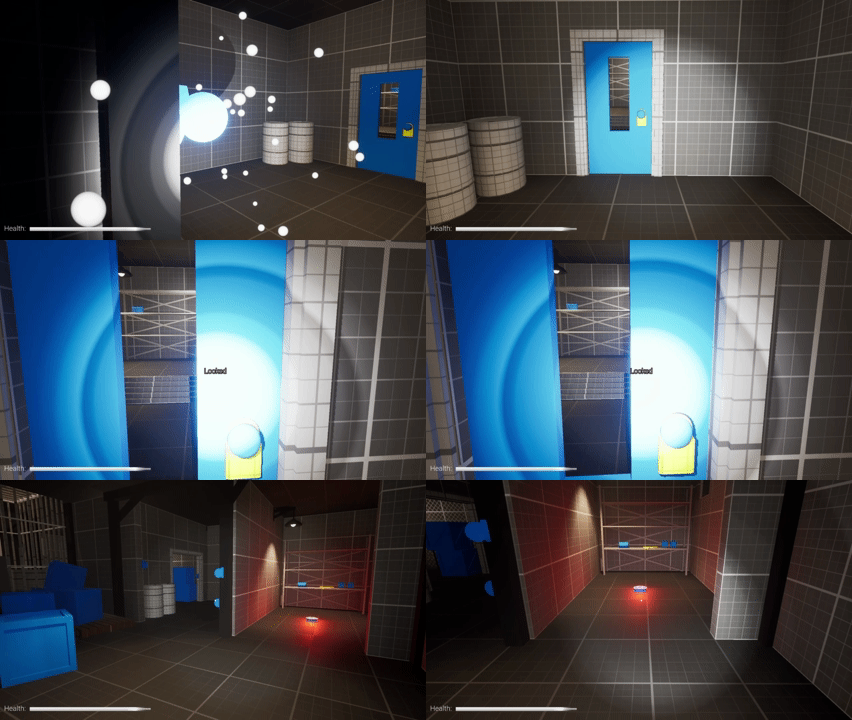
I framed the goal as the player emerges from the tunnel and added spot lights and lights over the energy gate to create visual contrast.
I also added an electrical hazard/audio cue behind the fence and wiring leading to the switch to further ensure the overall goal was clear from the opening portion of the level.


I utilized a destroyed window frame within the apartment to re-establish a vista of the objective. This provides a visual anchor, grounding the player's position and reinforcing their primary goal during the apartment portion of the level.
GUIDING THE PLAYER
Points of interest are highlighted through intentional lighting placement to guide the player's eye.
Here, the lighting frames both the destination and the path required to reach it, establishing a clear visual goal and reinforcing spatial awareness from the outset

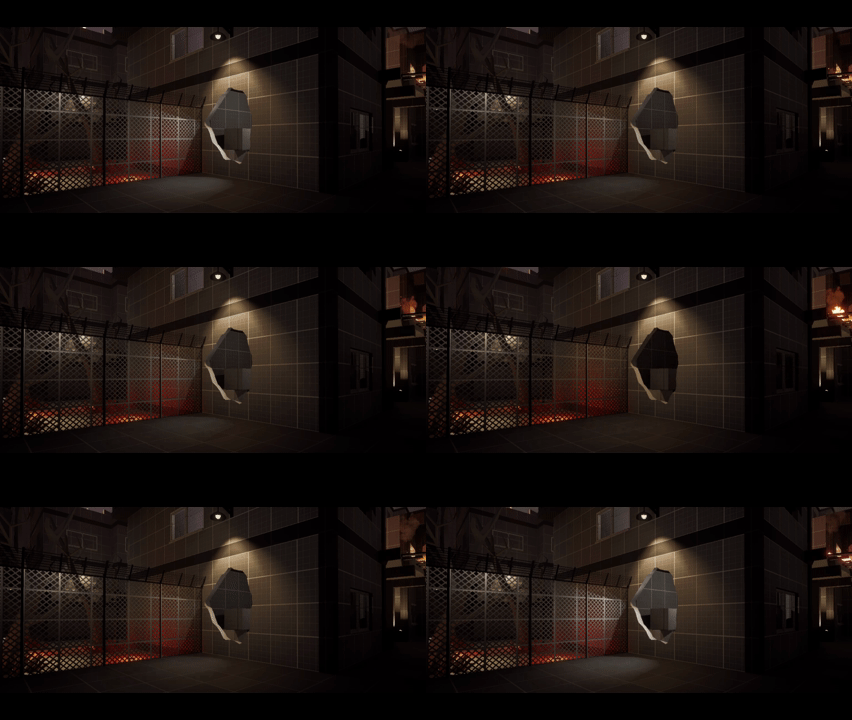
Flashing lights serves as a subconscious nudge here, drawing the player toward specific areas without relying on overt UI markers.
This design choice encourages a brief moment of exploration within the entry space before continuing on the critical path.
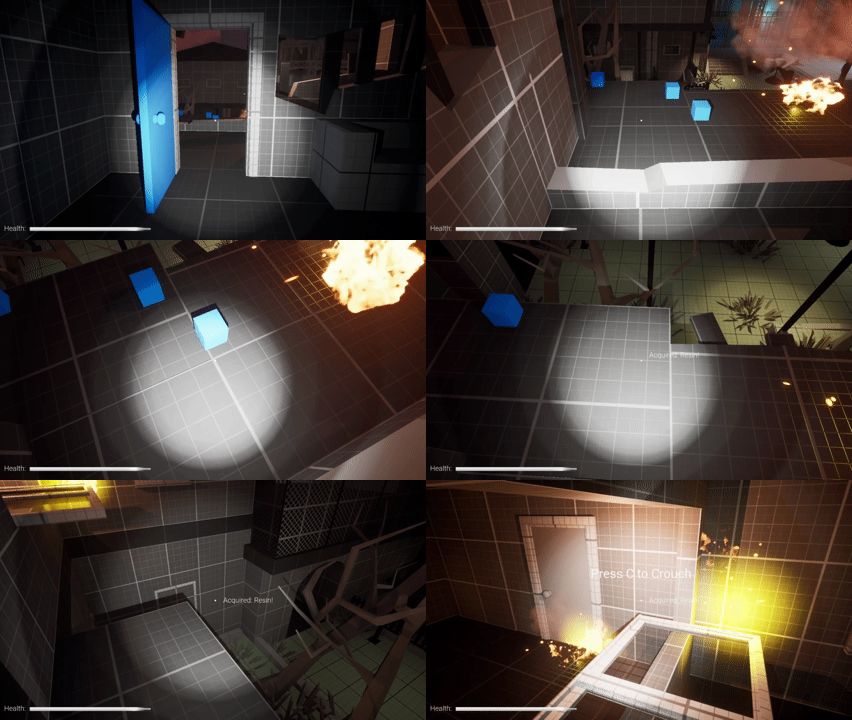
In the original version, the front door of this building was unlocked. I noticed most players didn't explore the entry area so I changed it to a hole in the wall not immediately in the player's view, which helped in the next round of playtesting. It also is more interesting from an environmental storytelling perspective.
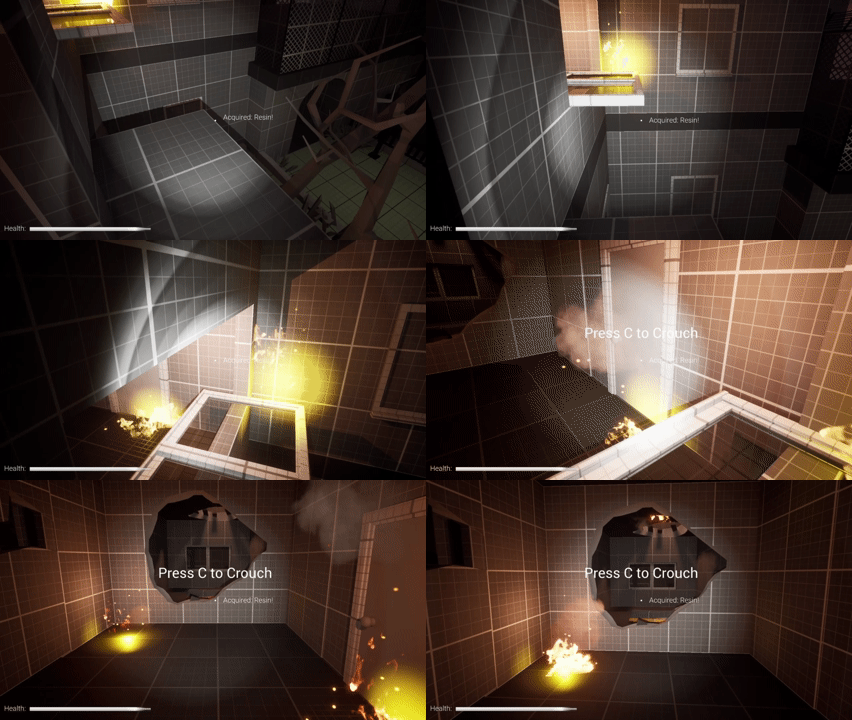
Breadcrumbing (Loot and Fire VFX) is used here to guide the player out onto the ledge toward the open window.
By placing a collectible in the line of sight as the player exits the apartment, I reward observational play while still guiding the player to the critical path. This is something I had to adjust during playtesting to get feeling right.
TUTORIALIZATION
I utilized just-in-time UI notifications that trigger based on player proximity to specific obstacles to introduce mechanics. This method allows for a learn-by-doing experience, where mechanics are introduced individually and gradually combined to increase gameplay depth.
PROBLEM/SOLUTION ORDERING
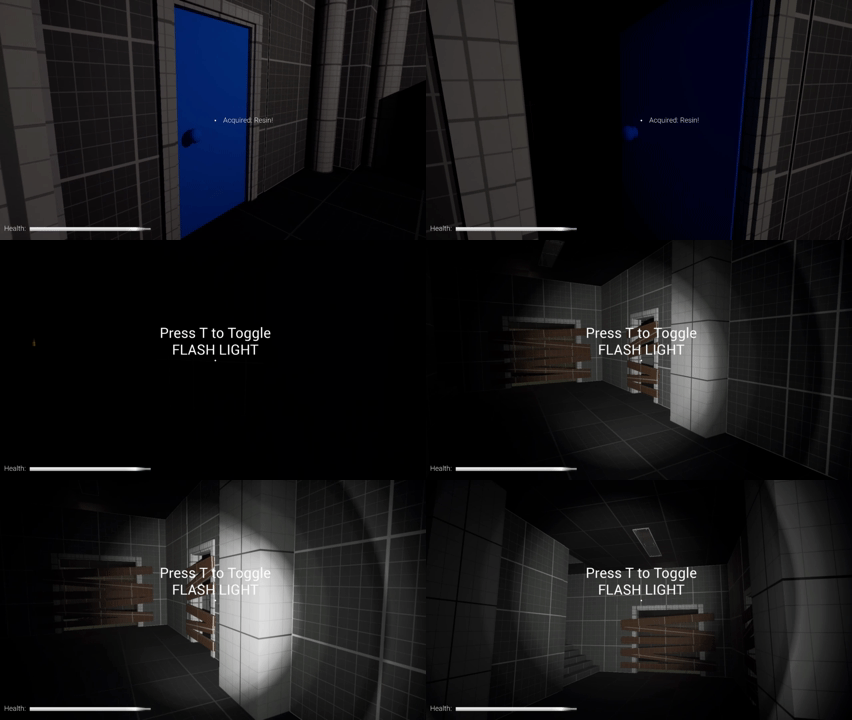
I prioritized Problem/Solution ordering by introducing the gate or problem before the player discovers the key. This sequence allows the player to mentally register the obstacle first, fostering a sense of discovery and agency as they work out the solution.
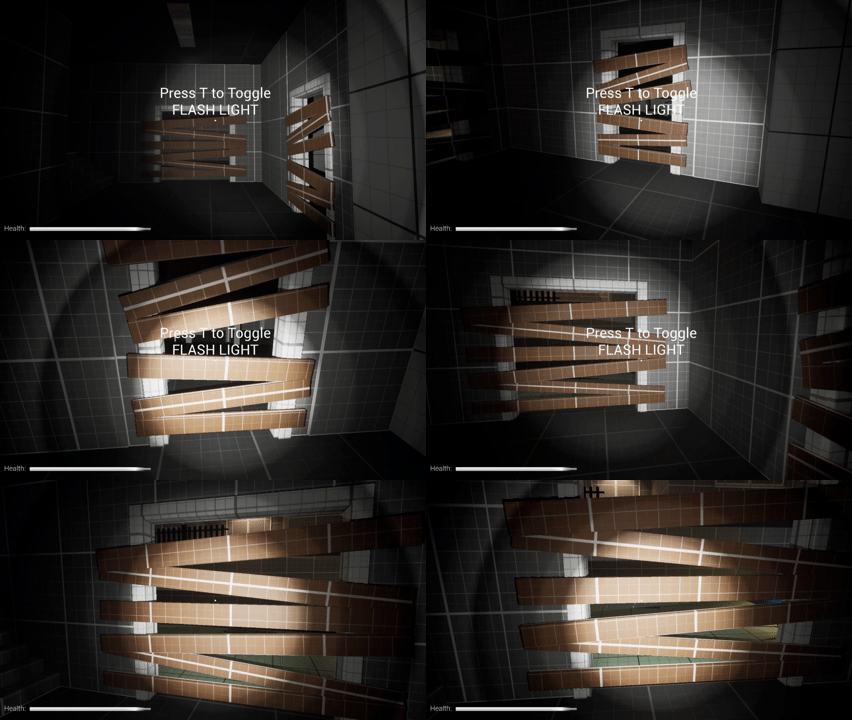
In this instance, I use wooden boards as a physical gate and bricks as the key.
By placing the boards in front of a visible area, I allow the player to peer into the space without entering, building anticipation.
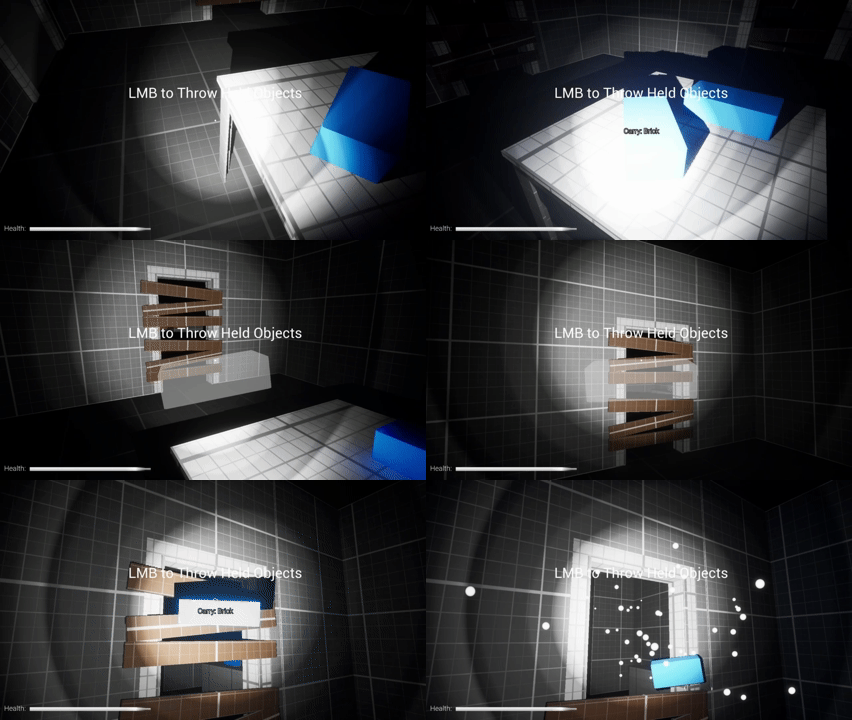
I used a tutorial prompt alongside the brick discovery to teach the throw mechanic. This allows players to bridge the gap and use the bricks to clear the wooden obstacles, cementing physics-based interactions as a core part of the level's gameplay language.
Originally, there was no tutorial prompt but players would pick up the brick and then press the 'use' key again and drop the brick, creating frustration. The tutorial prompt resolved this issue in subsequent playtests.
BATTERY PUZZLE DESIGN & SCRIPTING
FLOOR 1 TOP DOWN

SPOKE 1 - ELECTRICAL
SPOKE 3 - CODE LOCK
SPOKE 2 - LOCK AND KEY
ENTRY
ELEVATOR
LOCKERS
HUB AND SPOKE
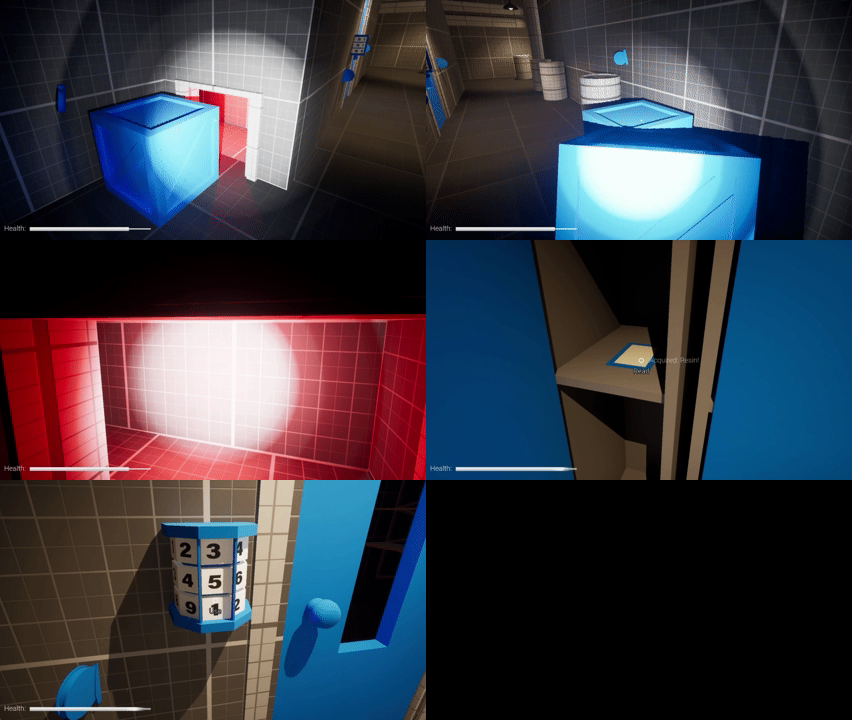
I developed three distinct spokes, each featuring a unique gameplay obstacle to test different player skills/mechanics.
PUZZLE ENTRY/SETUP
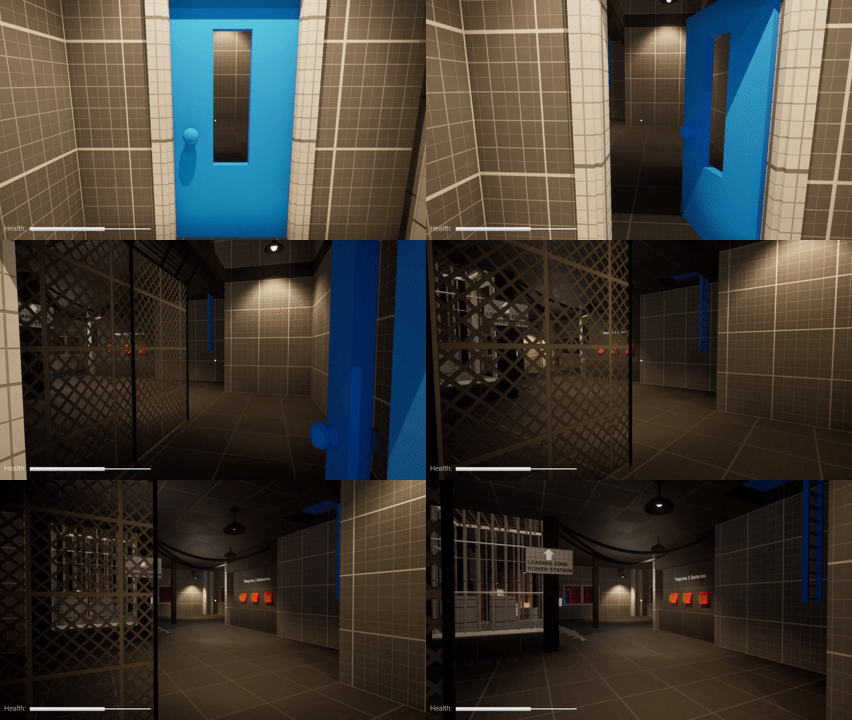
I framed the elevator objective and battery mechanic as the player enters the hub, providing a persistent goal that remains visible as they navigate the surrounding spokes.
SPOKE 1
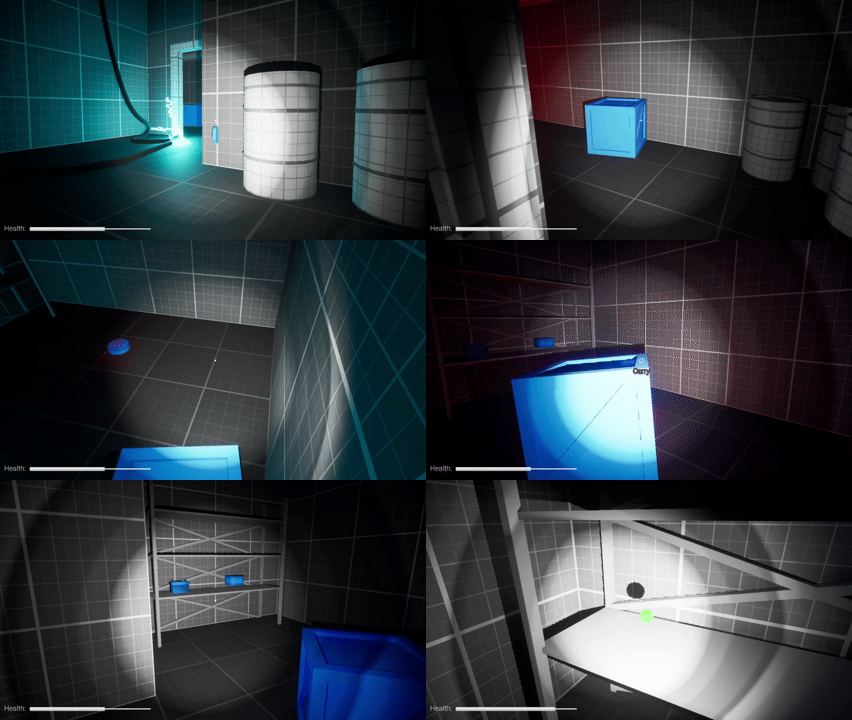
This specific spoke introduces a timing-based environmental hazard, requiring the player to navigate past exposed electrical wiring
This forces a shift in pace, requiring the player to observe patterns before moving.
SPOKE 2
This spoke utilizes a classic lock and key mechanic. The player is initially presented with a locked door, requiring them to turn around to locate the key.
SPOKE 3
This spoke features a code-locked door that secures the final battery. Progression requires the player to navigate a vent-crawl path into a break room to retrieve the hidden code, successfully rewarding observational play and adding variety.
FLOOR 2 TOP DOWN

GENERATOR
KEY
HATCH
ELEVATOR
GARAGE DOOR
REVEAL OF GENERATOR PUZZLE
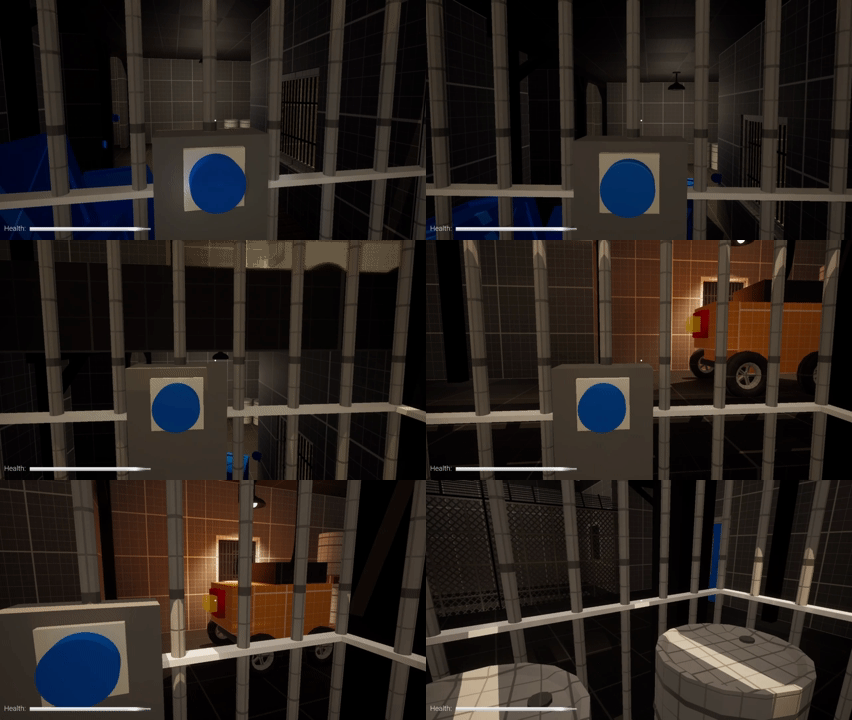
Upon completing the lower puzzle, the elevator serves as a transitional vista. I strategically placed the elevator controls to force the player's orientation toward the generator, ensuring the next objective is framed and revealed during the ascent.
GENERATOR PUZZLE SOLUTION
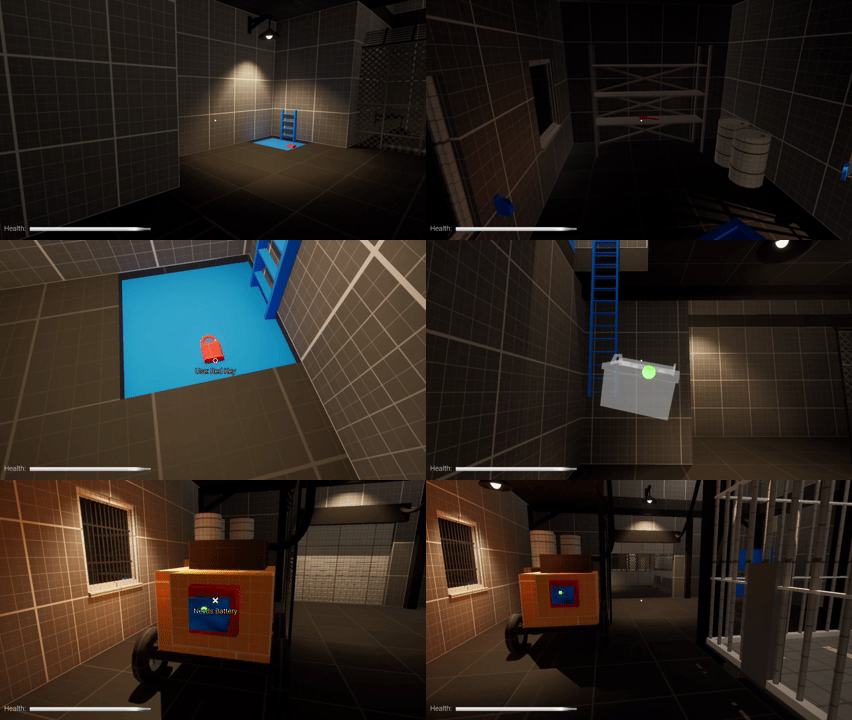
Following the generator reveal, I introduce a locked access hatch as the primary obstacle. The puzzle logic requires the player to locate a specific key to unlock the hatch, creating a necessary loop where they must retrieve a battery from the lower level and transport it via ladder to power the generator.

(Click to Enlarge)
ENDING & LEVEL SCRIPTING
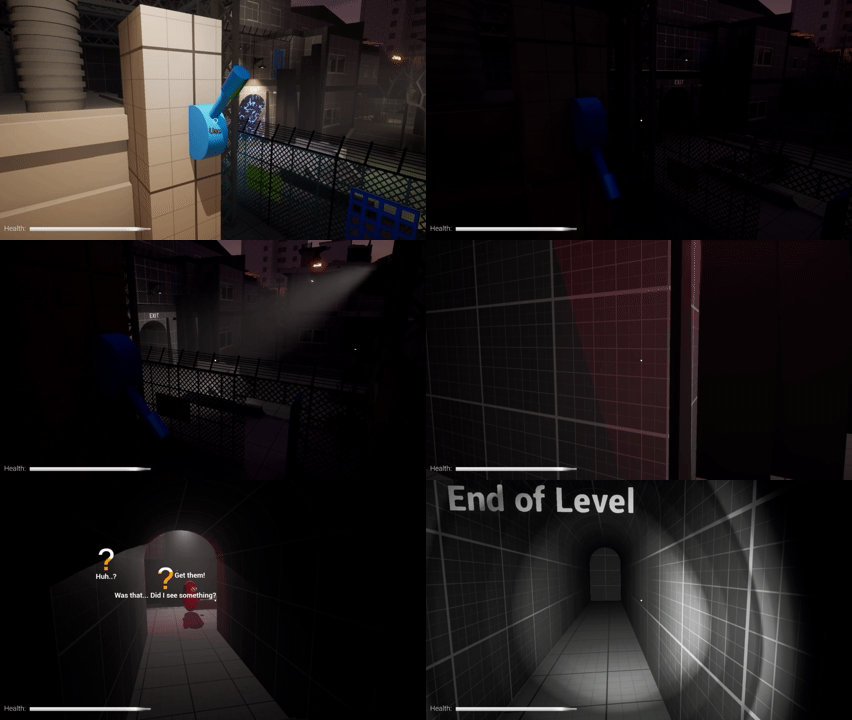
To conclude the level, I scripted a climactic 'state-change' where disabling the power triggers an alarm alerting nearby enemies.
Since the player is unarmed, this transition intentionally shifts the gameplay from puzzle-solving to high-stakes evasion, creating a localized moment of anxiety that forces a desperate retreat toward the exit.

(Click to Enlarge)
POST-MORTEM
Building this level really taught me how essential iterative playtesting is to the design process. I’m proud of the final flow and the density of gameplay I managed to integrate within the environment.
If I were to push the project further, my main focus would be refining the enemy detection logic and implementing spatialized audio cues for the ending section. Better telegraphing would help smooth out the transition from puzzle solving to the escape portion at the end, but as it stands, I'm happy with how this prototype proves out the concept.